

A cracked tooth can create an unsettling question: does the tooth have to be removed?
Not necessarily.
Many cracked teeth can be treated and preserved, particularly when the damage is identified before it extends too far. The appropriate treatment depends on where the crack is located, how deeply it extends, and whether the inner tissues or root of the tooth have been affected.
The challenge is that cracked teeth do not always look damaged. Sometimes the first warning is simply an unusual sensation while chewing.
Teeth are incredibly strong, but years of daily use can take a toll.
Cracks can develop after biting hard foods or objects, experiencing trauma, grinding or clenching, or placing excessive force on a weakened tooth.
Teeth with large fillings may also have less natural structure remaining, which can sometimes make them more vulnerable to fracture.
Age can play a role as well. Teeth experience decades of chewing forces, temperature changes, restorations, and normal wear.
Symptoms vary considerably.
Some cracks cause sharp pain when biting. Others create sensitivity to cold, heat, or sweets. The discomfort may come and go, making it difficult to identify exactly which tooth is responsible.
A classic symptom is pain when releasing your bite after chewing something firm.
However, some cracked teeth cause few noticeable symptoms initially.
Tiny superficial lines in enamel are common in adults. These are often called craze lines and typically do not cause pain or require extensive treatment.
A fracture involving a cusp is different. This occurs when part of the chewing surface becomes weakened or breaks away, often near an existing filling.
A crack extending deeper through the tooth requires more attention because it can eventually reach the pulp, where the nerves and blood vessels are located.
The deeper and more extensive the damage becomes, the more difficult it may be to preserve the tooth.
Small areas of damage can sometimes be repaired using restorative material.
Dental bonding or a filling may restore the missing structure when the damage is limited and enough healthy tooth remains.
However, larger cracks frequently require more protection because ordinary chewing forces can continue stressing the weakened tooth.
A dental crown covers and protects the visible portion of a tooth.
For certain cracked teeth, this can help hold the remaining structure together and distribute chewing forces more effectively.
Before recommending a crown, the dentist evaluates the extent of the damage and the health of the tooth's internal tissues.
A crown does not make every crack disappear, but it can be an important tool for protecting a tooth that is still restorable.
Inside every tooth is soft tissue known as the pulp.
If a crack extends into this area, bacteria and inflammation can affect the nerve tissue. This may cause prolonged temperature sensitivity, spontaneous pain, or significant discomfort while chewing.
Root canal treatment removes damaged or infected pulp tissue from inside the tooth. The tooth is then sealed and usually restored to provide protection.
Whether root canal treatment can save a cracked tooth depends heavily on the location and depth of the fracture.
Unfortunately, some fractures extend too far below the gumline or involve the root in a way that makes predictable restoration impossible.
In those situations, extraction may be recommended.
If a tooth must be removed, replacement possibilities may include a dental implant, bridge, or removable prosthetic option depending on the patient's circumstances.
The important point is that extraction is not automatically the first treatment simply because a tooth is cracked.
A small crack can sometimes become larger under repeated chewing pressure.
Additionally, bacteria may enter the tooth through damaged areas and eventually affect the pulp.
Someone may initially experience occasional sensitivity and then suddenly develop severe pain after the crack progresses.
This is why early evaluation is important.
Diagnosis may involve several steps because fractures can be difficult to see.
A dentist may examine the tooth under magnification, evaluate the bite, test individual areas of the tooth, check temperature sensitivity, inspect the surrounding gums, and use dental imaging when appropriate.
No single test identifies every crack, so symptoms and clinical findings often need to be considered together.
Not every fracture can be prevented, but reducing unnecessary stress on teeth can help.
Avoid chewing ice and using your teeth to open packaging or crack hard objects. If you grind or clench your teeth, ask your dentist whether protective treatment may be appropriate.
Maintaining regular dental examinations can also help identify weakened restorations or damaged teeth before they become emergencies.
A cracked tooth is not automatically a lost tooth.
Depending on the extent of the damage, treatment may range from a relatively simple restoration to a crown or root canal procedure.
The sooner a crack is evaluated, the more information your dentist has about whether the tooth can be predictably restored.
If a tooth repeatedly hurts when you bite, suddenly becomes temperature-sensitive, or feels different from the surrounding teeth, scheduling an examination is a sensible next step.
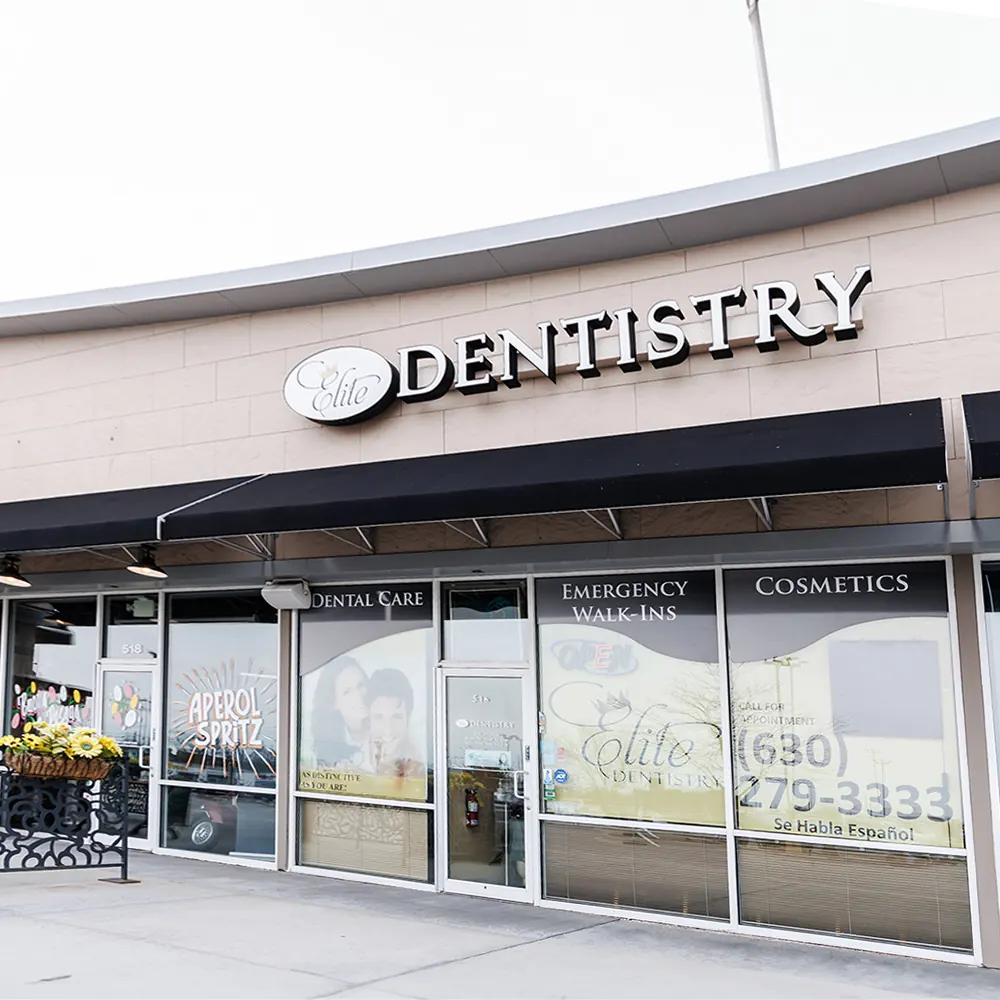
Ready to schedule your next dental appointment or have questions about our services?
Contacting Elite Dentistry is easy! Our friendly staff is available to assist you with scheduling appointments, answering inquiries about treatment options, and addressing any concerns you may have. Whether you prefer to give us a call or fill out our convenient online contact form, we're here to help. Don't wait to take the first step towards achieving the smile of your dreams – reach out to us today and discover the difference personalized dental care can make.
