

Dental fillings repair teeth damaged by cavities, chips, or wear by removing the decayed area and sealing the tooth with composite resin or amalgam. They help patients with sensitivity, visible holes, or worn older fillings. Elite Dentistry walks Addison, IL patients through material options and what to expect.
A cavity rarely announces itself. For most of the patients we see at Elite Dentistry, the first sign is a quick twinge when sipping iced coffee, a dull ache after biting into something sweet, or nothing at all until we point out a shadow on an X-ray. Tooth decay is one of the most common chronic conditions in the United States, and it affects children, teenagers, working adults, and older patients alike. The good news is that when decay is caught at the right time, a dental filling can stop it in its tracks and restore the tooth so it looks and functions the way it should.
For about a decade, our practice has served families throughout Addison and the surrounding west suburbs from our office at 516 West Lake Street. Dr. Mohamed Waheed, a graduate of the University of Illinois College of Dentistry at Chicago and a member of the American Dental Association, the Illinois State Dental Society, and the Chicago Dental Society, leads our team alongside Dr. Nisreen Al Farra. Fillings are among the most routine procedures we perform, but we never treat them as routine. A well-placed filling protects a natural tooth for years, while a rushed one can leak, crack, or fail early. This page explains what dental fillings are, how we decide which material is right for you, what happens during your appointment, and how to make your filling last.
What a Dental Filling Does and Why It Matters
A dental filling is a restoration that replaces tooth structure lost to decay or minor damage. Decay begins when bacteria in plaque feed on sugars and starches and release acids that dissolve the minerals in enamel. Over time, that weakened area breaks down into a hole, which is what we call a cavity. Once enamel is lost, it cannot grow back on its own. If the cavity is left alone, bacteria continue moving inward toward the softer dentin layer and eventually the pulp, where the tooth’s nerve and blood supply live.
That progression is the reason timing matters so much. A small cavity limited to the enamel or outer dentin can usually be fixed with a modest filling in one short appointment. When decay reaches the pulp, the tooth often needs a root canal and a crown, and in advanced cases it may need to be extracted. A filling is essentially a way of intervening early: we remove the damaged portion of the tooth, clean the area, and seal it with a material that restores the tooth’s shape, strengthens it, and closes off the space bacteria were using to cause more harm.
Fillings are also used for reasons beyond decay. We regularly use them to repair small chips, rebuild edges worn down by grinding, replace old fillings that have started to break down, and address areas of enamel erosion near the gumline. In each case the goal is the same, which is to preserve as much of your natural tooth as possible while restoring comfortable, normal function.

Signs You May Need a Filling
Some cavities cause noticeable symptoms, while others develop quietly between visits. Patients often come to us after noticing one or more of the following:
Many cavities, however, produce no symptoms until they are fairly large. Decay between back teeth is especially difficult to see in a mirror, and it is one of the most common findings on routine X-rays. That is a big part of why we encourage regular exams and cleanings even when everything feels fine. Finding a cavity during a checkup almost always means a smaller filling, less time in the chair, and a lower cost than waiting until the tooth hurts.
Filling Materials We Offer and How We Help You Choose
When patients ask about dental fillings in Addison, IL, one of their first questions is usually about materials. At Elite Dentistry, we offer two main types of direct fillings: composite resin fillings and amalgam fillings. Both have long track records, and both are appropriate in the right situations. The American Dental Association encourages patients to talk with their dentist about filling options so they can make an informed choice together, and that is exactly how we approach it.
Composite resin fillings, often called tooth-colored or white fillings, are made from a blend of resin and fine glass or quartz particles. We match the shade to your surrounding teeth so the filling blends in naturally, which makes composite the clear choice for front teeth and visible areas of your smile. Composite also bonds directly to the tooth surface, which often allows us to remove less healthy tooth structure during preparation. Composite performs well for small to moderate fillings in both front and back teeth. The tradeoffs are that composite takes a bit longer to place because it is applied in thin layers and hardened with a curing light, and very large composite fillings on heavy chewing surfaces may wear sooner than amalgam.
Amalgam fillings, the silver-colored fillings many adults remember from childhood, are made from a combination of metals including silver, tin, copper, and mercury. Amalgam has been used for generations because it is strong, resistant to wear, and generally less expensive than composite. It can be a practical option for larger cavities in back molars where appearance matters less and chewing forces are greatest. The main drawback is cosmetic, since amalgam does not match natural tooth color. The ADA considers amalgam a safe and effective material. In 2020, the U.S. Food and Drug Administration recommended that certain higher-risk groups, including people who are pregnant or nursing, young children, and people with kidney conditions or known sensitivity to mercury, avoid amalgam when appropriate alternatives are available. We review your health history with you and will gladly discuss which material makes sense for your situation.
When a cavity is too large for a direct filling but not severe enough to require a full crown, we may recommend an inlay or onlay instead. These are custom restorations made to fit the tooth precisely, and they offer more strength than a large filling while preserving more natural tooth structure than a crown. During your exam, we will explain which option fits your tooth best and why, so you never feel pushed toward a particular treatment.
What to Expect During Your Filling Appointment
For most patients, getting a filling is far easier than they expect. The appointment typically begins with a review of your X-rays and a close look at the tooth. We use digital radiography, which produces clear images with less radiation than traditional film X-rays, and an intraoral camera that lets you see exactly what we see on a screen chairside. Many of our patients appreciate being able to look at the cavity themselves before we treat it.
Next, we numb the area with a local anesthetic. We take our time with this step and check that you are fully comfortable before beginning. Once the tooth is numb, we gently remove the decayed or damaged portion of the tooth and shape the space so the filling will stay secure. After the area is cleaned and isolated to keep it dry, we place the filling material. With composite, we apply the resin in layers and harden each one with a special light, then shape and polish it to match your natural bite. With amalgam, we pack the material into the prepared space and carve it to the correct form.
The final step is checking your bite. We have you bite down on a thin marking paper to make sure the filling is not sitting too high, since even a slight difference can make a tooth sore. Most single fillings take somewhere between 20 minutes and an hour, depending on the size and location of the cavity. Our office includes comforts like massage chairs and complimentary coffee, and our multilingual team can walk you through each step in English, Spanish, Arabic, or Persian, which many families in our community find especially reassuring.

Recovery and Caring for Your New Filling
After your appointment, your lip, cheek, and tongue may stay numb for a few hours. We recommend waiting until the numbness wears off before eating so you do not accidentally bite your cheek or tongue. Composite fillings are fully hardened before you leave our office, so you can eat normally once sensation returns. With amalgam, we usually suggest avoiding hard or very sticky foods on that side for the rest of the day.
Mild sensitivity to temperature or pressure in the days following a filling is common and typically fades on its own within a week or two. If sensitivity lasts longer, gets worse, or if your bite feels uneven, give us a call. A quick adjustment often solves the problem in minutes.
No filling lasts forever, but good habits help yours last as long as possible. Brushing twice a day with fluoride toothpaste, cleaning between your teeth daily, limiting frequent snacking and sugary drinks, and keeping up with regular checkups all reduce the risk of new decay forming around the edges of a filling. If you grind or clench your teeth at night, a custom night guard can protect both your fillings and your natural enamel from excess wear. For children and teens, dental sealants and fluoride treatments add another layer of protection on the chewing surfaces of back teeth where cavities most often begin.
Why Addison Residents Should Not Put Off a Cavity
Life in Addison keeps people busy. Between commutes along Lake Street, Army Trail Road, and Interstate 355, school schedules at Addison Trail High School and the surrounding elementary and middle schools, weekend sports through the Addison Park District, and work shifts across DuPage County, it is easy to let a small dental issue slide. We understand that, which is why we offer Saturday morning hours and work to keep appointments efficient.
Northern Illinois weather also has a way of exposing a weak tooth. Many of our patients first notice sensitivity during the long winter months, when cold air hits their teeth on the walk from the car or a hot drink suddenly triggers a sharp reaction. Summer brings its own challenges, with frequent iced drinks, sports drinks during practices and tournaments, and more snacking during family gatherings and outdoor events. These seasonal habits do not cause cavities on their own, but frequent exposure to sugar and acid gives decay more opportunities to develop.
Because our office sits on West Lake Street in Addison, we are a convenient stop for patients coming from Addison itself as well as nearby communities like Wood Dale, Itasca, Bensenville, Villa Park, Lombard, Elmhurst, Glendale Heights, Bloomingdale, Roselle, and Carol Stream. Many of our patients schedule visits around their workday or their children’s school day, and treating a cavity promptly almost always means a simpler visit than waiting until it becomes an emergency.
Cost, Insurance, and Ways We Keep Care Affordable
The cost of a filling depends on several factors, including the material, the size of the cavity, how many surfaces of the tooth are involved, and which tooth is being treated. A small single-surface filling on a back tooth will generally cost less than a larger filling that wraps around multiple surfaces. Because every cavity is different, the most accurate way to know your cost is through an exam, after which we will provide a clear estimate before treatment begins.
Most dental insurance plans include coverage for fillings, since they are considered basic restorative care. Some plans cover composite fillings on back teeth only up to the cost of an amalgam filling, which means you may pay the difference if you choose a tooth-colored material. We accept most PPO plans as well as many Medicare plans, and our team is happy to help you understand your benefits before your appointment.
For patients without insurance, our Elite Membership program offers a simple, affordable alternative. For an annual enrollment fee, members receive a discount on most services offered at our office. It is designed for individuals and families who want predictable, accessible dental care without the complications of traditional insurance. We also encourage new patients to ask about current offers when they call, since we periodically run specials on exams and X-rays.
Comprehensive Dental Services at Elite Dentistry
Fillings are just one part of the care we provide. Our goal is to be a true dental home where patients of all ages can receive preventive, restorative, cosmetic, and advanced care under one roof. If a tooth needs more than a filling, or if you are interested in improving other aspects of your smile, our team can help. Our services include:
Having all of these services available in one office means that if we discover a cracked tooth, a failing older filling, or early gum disease during your visit, we can explain your options and coordinate treatment without sending you elsewhere.
When it comes to dental fillings in Addison, IL, the most important step is simply not waiting. A small cavity is one of the easiest dental problems to fix, and treating it early protects your natural tooth, your comfort, and your budget. At Elite Dentistry, we take the time to show you what is happening inside your mouth, explain your material options honestly, and place each filling with care so it holds up to everyday life. Whether you have noticed sensitivity, are overdue for a checkup, or want an older filling evaluated, our team is ready to help. Call our office at (630) 278-4272 as a new patient or (630) 279-3333 as an existing patient to schedule your visit at 516 West Lake Street in Addison.


If the pleasure of eating a delicious bowl of ice cream or sipping a soothing cup of tea gets overshadowed by dental pain that makes you wince; it's time to contact our office. As skilled providers of care, we'll determine what's causing your discomfort and perform the treatment required to alleviate your symptoms and get you back on the road to oral health.
Cavities develop because of an infectious process that causes progressive damage to tooth structure. Despite starting as a pinpoint defect on the outermost enamel layer of your tooth, untreated dental decay progressively compromises more and more healthy tooth structure as it works its way to the inner layers of your tooth.
Yes, you can still develop tooth decay on other surfaces of the tooth, around the margins of an old filling, or in fewer instances, recurrent decay underneath it. For this reason, it's essential to maintain excellent oral hygiene, a diet low in sugary beverages and sweets, and be sure to visit our office for routine checkups and care. While tooth decay is second only to the common cold in frequency, it's almost entirely preventable.
We value the time and comfort of our patients. If cavities are located on adjacent teeth, or in the same section of your smile, it may be possible to treat more than one tooth during your visit. However, how much is done each visit depends on several factors. We keep our patients well informed and tailor every treatment plan and visit to address their unique needs.
Addressing concerns on the presence of elemental mercury in silver fillings, the American Dental Association (ADA), The Center for Disease Control and Prevention (CDC), the FDA, and the World Health Organization have all stated that amalgam restorations do not pose a risk to health. However, individuals with allergies or sensitivities to the metals in dental amalgam are advised to pursue other restorative options.
Dental fillings are performed under local anesthesia to help ensure your comfort throughout the entire procedure. The involved tooth remains completely numb for the extent of your visit. Within one or two hours after the procedure is completed, the local anesthetic will gradually wear off, and normal sensations return.
A tooth-colored composite filling is fully hardened and set by the end of your visit. However, we may advise you to wait a couple of hours until the local anesthesia has completely worn off. This advice is to help ensure you don't accidentally bite your lip, cheek, or tongue while still numb.
The lifetime of a dental filling varies depending on the type of material used. While popular dental materials can last a decade or more with proper care, they can degrade over time, wear down, or even break. When this happens, you may experience some tooth sensitivity, a jagged edge, or a loose or dislodged piece of filling material. Whatever the case may be, it's essential to get the filling replaced before the tooth sustains further damage or other consequences arise. Beyond taking good care of your smile to help ensure the longevity of your fillings, our office regularly checks the status of your existing fillings as part of a routine checkup exam.
Dental fillings are an essential investment that serves to preserve and protect the health of your smile. With that said, how much a filling costs depends on the number of surfaces of the tooth involved and the filling material that is used. Amalgam restorations are the most economical. While tooth-colored composite fillings have a slightly higher cost, they offer the added benefits of being metal-free and much more aesthetically pleasing. Ceramic fillings, inlays, and onlays are more expensive than the preceding options but provide outstanding, long-lasting, and natural-looking results.
Dental insurances typically cover the cost of dental fillings. While we work with you to maximize your insurance benefits, there may still be an out-of-pocket expense. At the office of Elite Dentistry, we strive to help you begin care without any additional financial stress or delay.
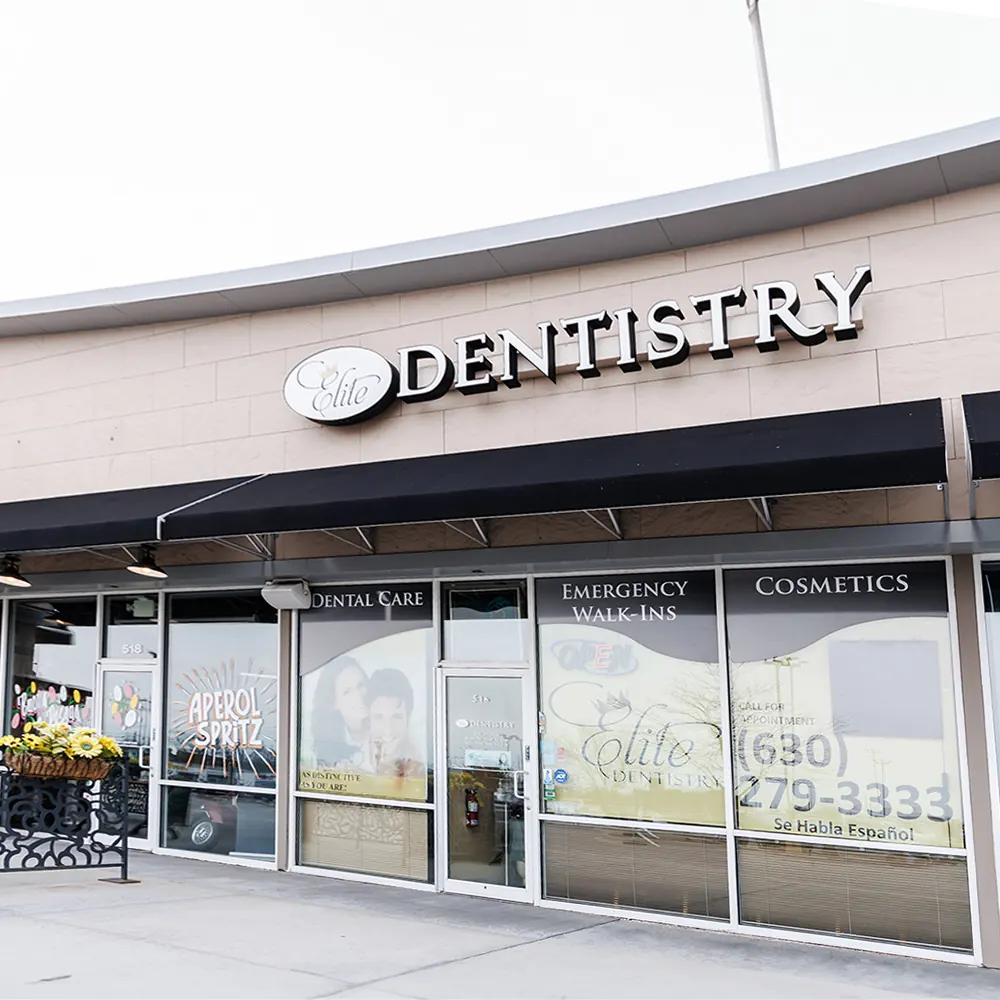
Ready to schedule your next dental appointment or have questions about our services?
Contacting Elite Dentistry is easy! Our friendly staff is available to assist you with scheduling appointments, answering inquiries about treatment options, and addressing any concerns you may have. Whether you prefer to give us a call or fill out our convenient online contact form, we're here to help. Don't wait to take the first step towards achieving the smile of your dreams – reach out to us today and discover the difference personalized dental care can make.
